When it comes to building or upgrading commercial workshops, garages, and high-traffic spaces, choosing the right flooring—and installing it correctly—makes all the difference. For businesses like Supreme Auto Detailing in Providence, durable industrial flooring ensures a cleaner workspace, easier maintenance, and a professional environment for ceramic coating, full detailing, and maintenance wash services.
While flooring options vary, vinyl planks, timber, tiles, carpet tiles, and epoxy coatings remain the most popular choices in Auckland commercial settings. Below is a comprehensive installation guide designed to help businesses, property owners, and builders get the best results.
Why Proper Flooring Installation Matters for Detailing Workshops
Industrial flooring doesn’t just affect the look of a space—it directly impacts safety, workflow, and the finished result of every detailing job. For service providers like Supreme Auto Detailing, the right flooring supports:
- Smooth movement of trolleys, vacuums, and polishers
- Slip-resistant safety when washing or rinsing vehicles
- Easier cleaning and drainage management
- Longevity under heavy equipment and constant foot traffic
- A polished, professional appearance that impresses walk-in customers
Poorly installed flooring can lead to uneven surfaces, water pooling, premature wear, and safety hazards—issues that every detailing workshop must avoid.
Key Installation Tips for Vinyl Plank Flooring
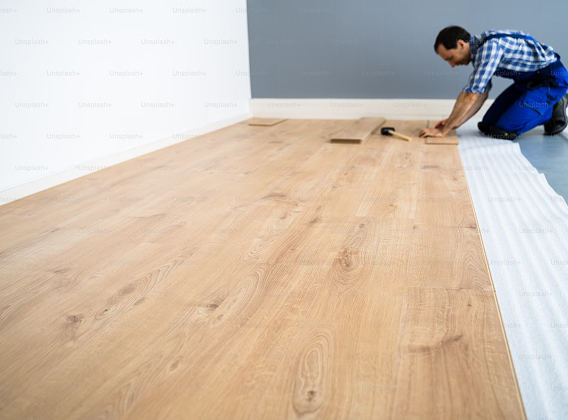
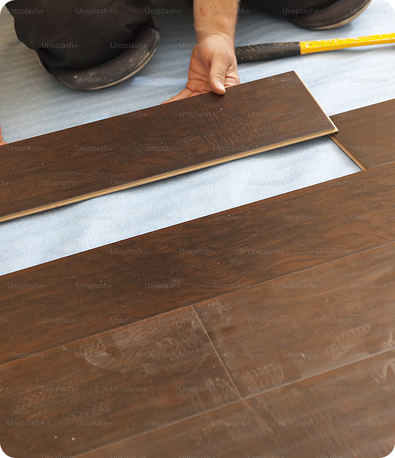
Vinyl planks are one of the most reliable choices for workshops thanks to their water resistance, easy maintenance, and modern appearance.
1. Start With a Level, Clean Subfloor
Any unevenness under vinyl planks becomes extremely visible after installation.
Prepare your subfloor by:
- Removing dust, oils, and adhesives
- Patching cracks
- Sanding down high spots
- Ensuring absolute dryness
Workshops like Supreme Auto Detailing, where steam cleaning and pressure washing occur, benefit greatly from a completely stable base.
2. Acclimate the Flooring
Vinyl planks must adjust to the room’s humidity and temperature to prevent future warping.
- Let planks sit in the room 24–48 hours before installation.
- Maintain room temperature between 15–28°C.
3. Use the Right Expansion Gaps
Vinyl flooring expands slightly over time. Leave a 5–7mm gap along walls and edges.
Quick Installation Checklist for Vinyl Planks
| Step | Task | Why It Matters |
|---|---|---|
| Prep | Level the subfloor | Prevent bumps and separation |
| Layout | Dry-lay planks first | Ensures ideal pattern and fit |
| Install | Use click-lock or adhesive | Prevents shifting |
| Finish | Install trims | Creates clean, sealed edges |
Top Installation Tips for Timber Flooring
Timber provides a premium look, perfect for reception areas, offices, and customer-facing parts of a workshop.
1. Check Moisture Levels
Timber expands with humidity—especially in locations like Auckland with varying climates.
- Moisture content should be within 9–14%.
- Use moisture barriers in areas near wash bays or entrances.
2. Use Professional-Grade Underlayment
This stabilizes the floor and reduces noise inside busy spaces.
Types of underlay:
- Rubber acoustic pads
- Foam underlay
- Plywood sheeting for added stability
3. Nail or Adhesive Fix?
For high-traffic commercial spaces, adhesive installation is recommended because it reduces movement and noise.
Essential Installation Tips for Tile Flooring
Tiles remain a leading choice for detailing workshops because they handle water, chemicals, and heavy machinery with ease.
1. Use a Heavy-Duty Tile Adhesive
Standard adhesives cannot handle the weight of cars or detailing equipment. Choose a commercial-grade, flexible adhesive.
2. Prioritize Correct Spacing
Tiles should be spaced evenly using 2–3mm spacers, ensuring clean grout lines.
3. Apply Slip-Resistant Tile Sealers
Perfect for wet zones such as:
- Wash bays
- Polishing zones
- Ceramic coating prep areas
Installation Tips for Carpet Tiles in Office or Waiting Areas
Carpet tiles are ideal for administrative or lounge spaces connected to the workshop.
Best practices include:
- Using pressure-sensitive adhesive
- Ensuring tiles run in the same arrow direction
- Replacing any damaged tile without disrupting the entire floor
This helps Supreme Auto Detailing maintain a clean, comfortable customer experience.
Installation Tips for Epoxy & Polished Concrete Floor
Epoxy coatings and polished concrete are two of the most durable flooring types for detailing shops.
1. Grind & Clean the Concrete First
Ensure the concrete is completely free from oil stains before coating.
2. Apply Multiple Coats
Most workshops need 2–3 epoxy layers plus anti-slip particles.
3. Allow Proper Curing Time
Curing takes 48–72 hours before machinery can be used on the floor.
Choosing the Right Flooring for Your Space: Comparison Table
| Flooring Type | Best For | Durability | Maintenance | Water Resistance |
|---|---|---|---|---|
| Vinyl Planks | Workshops, garages | High | Easy | High |
| Timber | Offices, reception | Medium | Moderate | Low-Medium |
| Tiles | Wash bays, high-moisture zones | Very High | Easy | Very High |
| Carpet Tiles | Lounges, waiting rooms | Medium | Easy | Low |
| Epoxy | Full workshop floors | Very High | Very Easy | Very High |
| Polished Concrete | Large spaces | Very High | Very Easy | Medium-High |
How the Right Flooring Supports Supreme Auto Detailing Services (Providence)
Every floor surface inside a detailing environment influences service efficiency. For example:
Full Detail Packages
A clean, slip-resistant surface prevents accidents while technicians perform interior and exterior treatments.
Ceramic Coating Packages
These require dust-free, stable floors to ensure flawless bonding during paint protection steps.
Maintenance Washes
Water-heavy areas benefit from tiles, epoxy, or textured vinyl for superior drainage and traction.
Investing in the right flooring improves not just aesthetics—but the results of every detail service your shop provides.
Final Tips Before Installing Industrial Flooring
Follow these last recommendations for the best installation results:
- Hire qualified installers experienced in commercial projects
- Choose flooring based on zone purpose (wet vs. dry areas)
- Seal timber and tiles regularly to prolong life
- Consider future expansion or heavy equipment
- Always request warranty coverage on materials and installation
Conclusion
Installing industrial flooring—whether vinyl planks, tiles, timber, or epoxy—plays a major role in how efficiently a detailing workshop operates. Businesses like Supreme Auto Detailing in Providence benefit from surfaces that are safe, durable, easy to maintain, and aligned with professional service standards. With the right materials and installation techniques, you can build a clean, stable, and impressive workspace that supports every detail service from ceramic coatings to full maintenance packages.